Preparing for Collective Action
Chapter 9 of The Anxious Generation argues that a phone-based childhood is not an irreversible fate. Haidt asserts that communities can solve this collective action problem by establishing new social norms, delaying smartphone use, and actively returning to play-based childhoods through group action.
The Collective Action Problem
- The Trap: When some children receive smartphones, parents feel immense pressure to do the same, so their children aren’t socially isolated. This trap is difficult for a single family to fight alone.
- The Solution: Because the problem affects the whole group, it requires a group response. Just as society has historically regulated dangerous consumer products, it can act collectively to correct the harms of tech overreach.
Types of Collective Responses
- Voluntary Coordination: Parents can support one another by acting together. Initiatives like the Anxious Generation Movement outline practical ways to coordinate delays in smartphone ownership to ensure no child feels left out.
- Social Norms and Moralization: Communities can shift cultural expectations. By reframing smartphone usage as socially unacceptable for young children, groups can establish healthier, unified local standards.
Practical Takeaways
- No Single Answer: Haidt notes that every family and school is unique. Parents and educators are encouraged to adapt, improvise, and innovate solutions that fit their local environment.
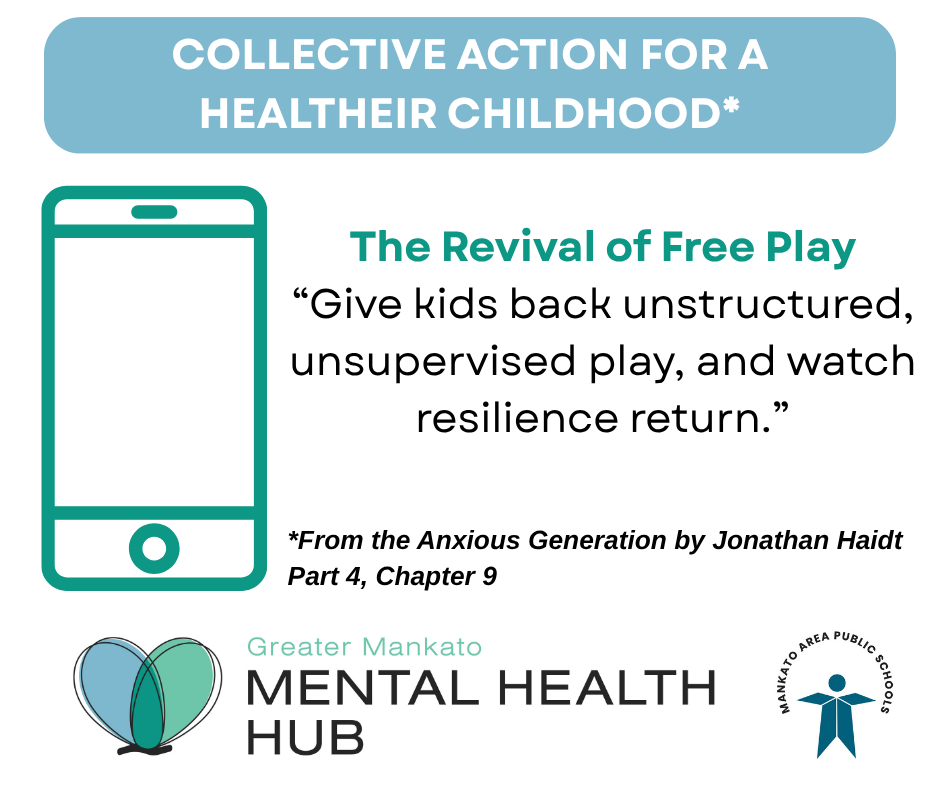
Reclaiming Independence: To successfully shift away from a phone-based childhood, communities must actively restore real-world, unsupervised play and face-to-face interactions, which are critical for child development.